Project Data
Client
Architects
Duration
Value
Completed
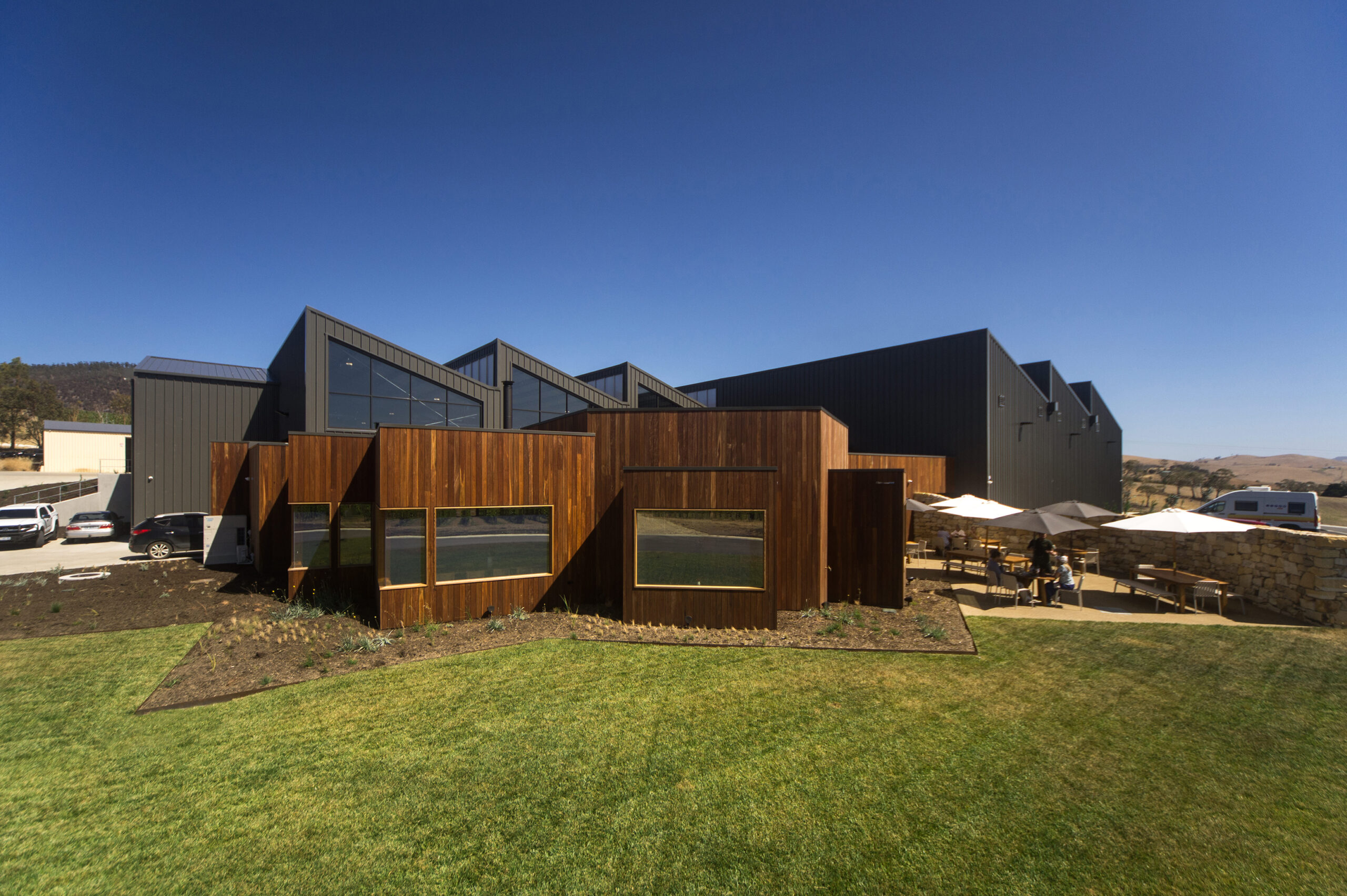
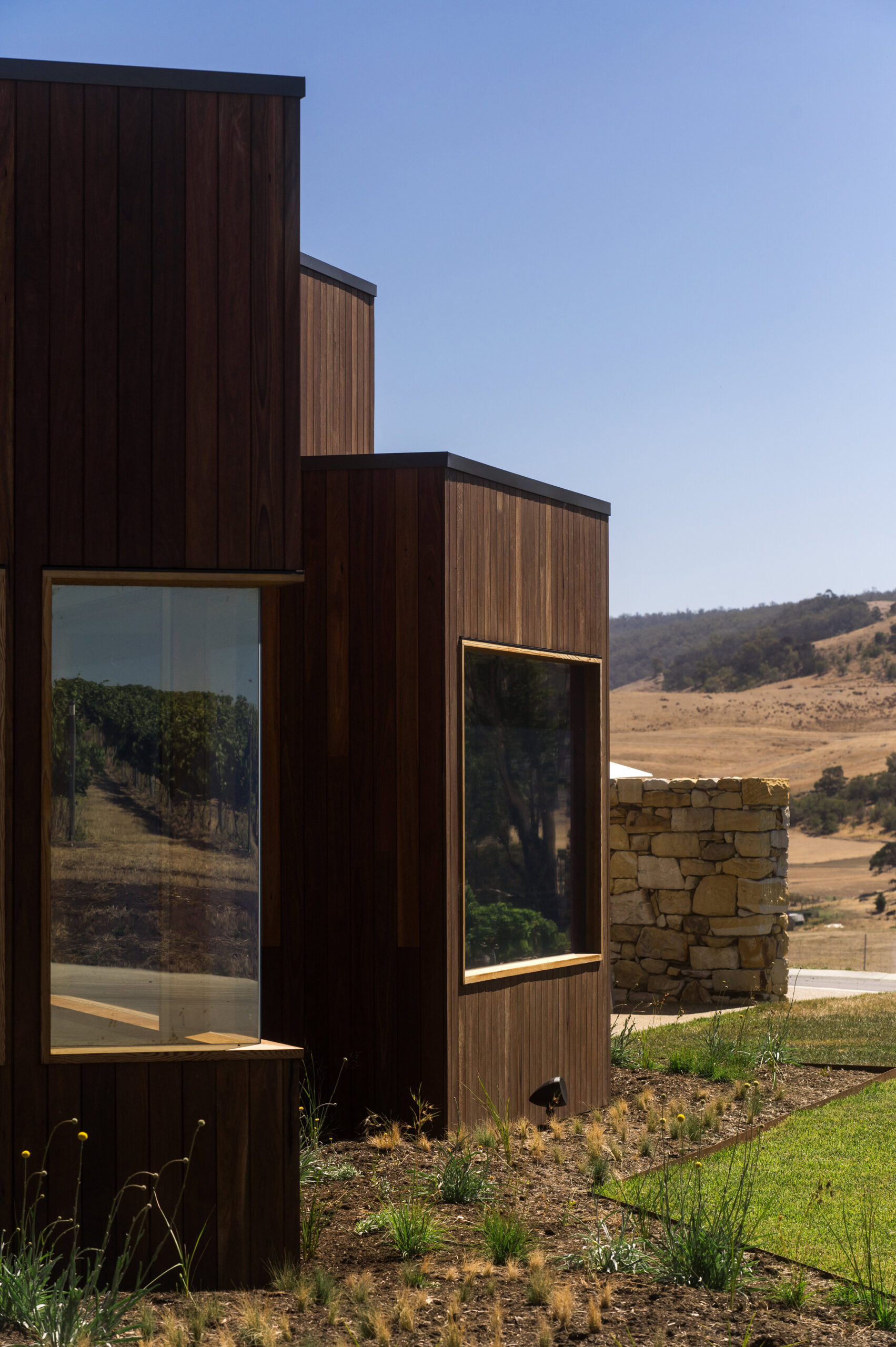
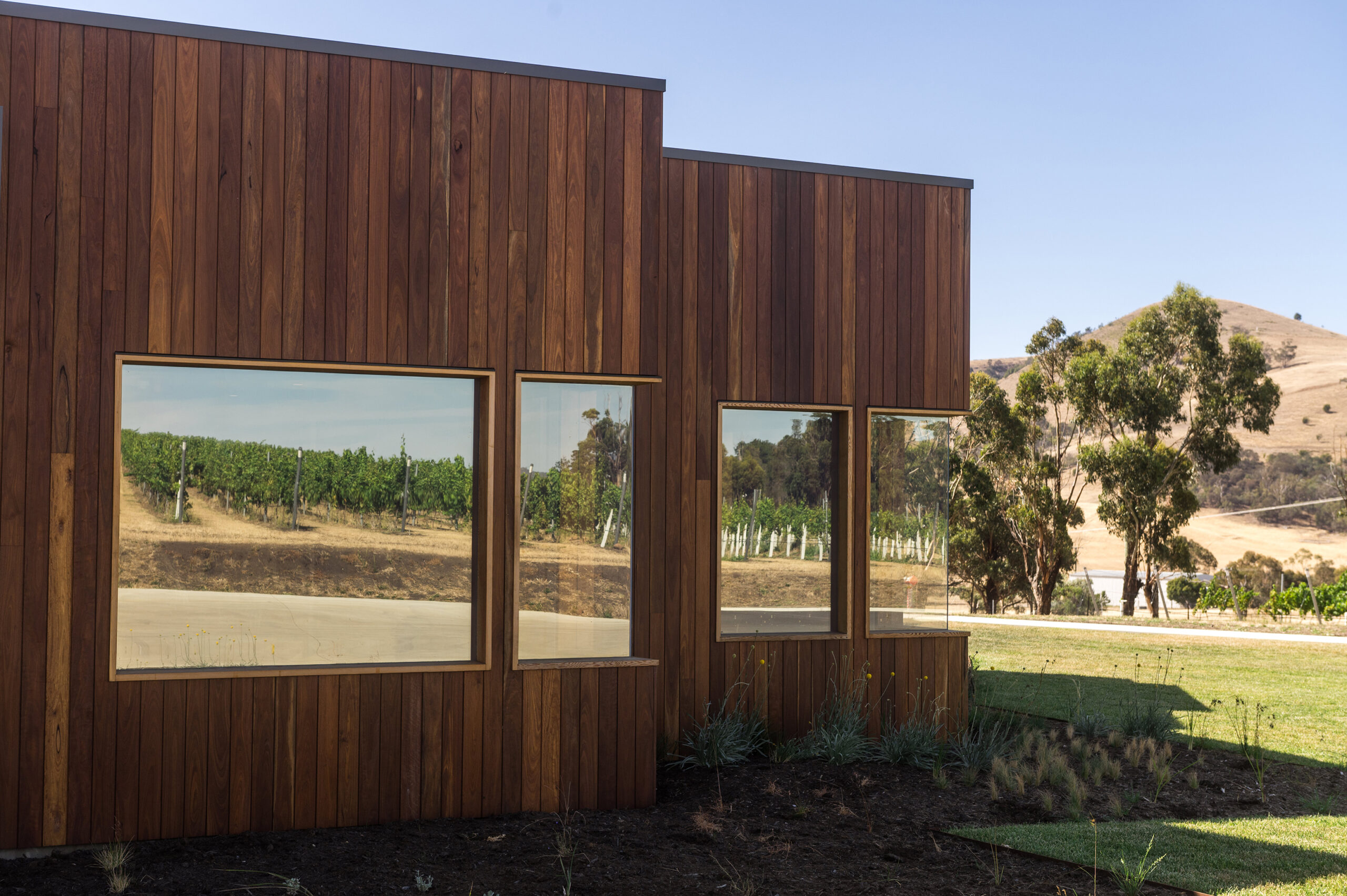
The Sisu Wines Production Facility and Tasting Centre project delivered a purpose-built winemaking facility alongside a premium visitor experience, aligning closely with the client’s philosophy of minimal-intervention winemaking and deep respect for the Coal River Valley landscape.
Show more info
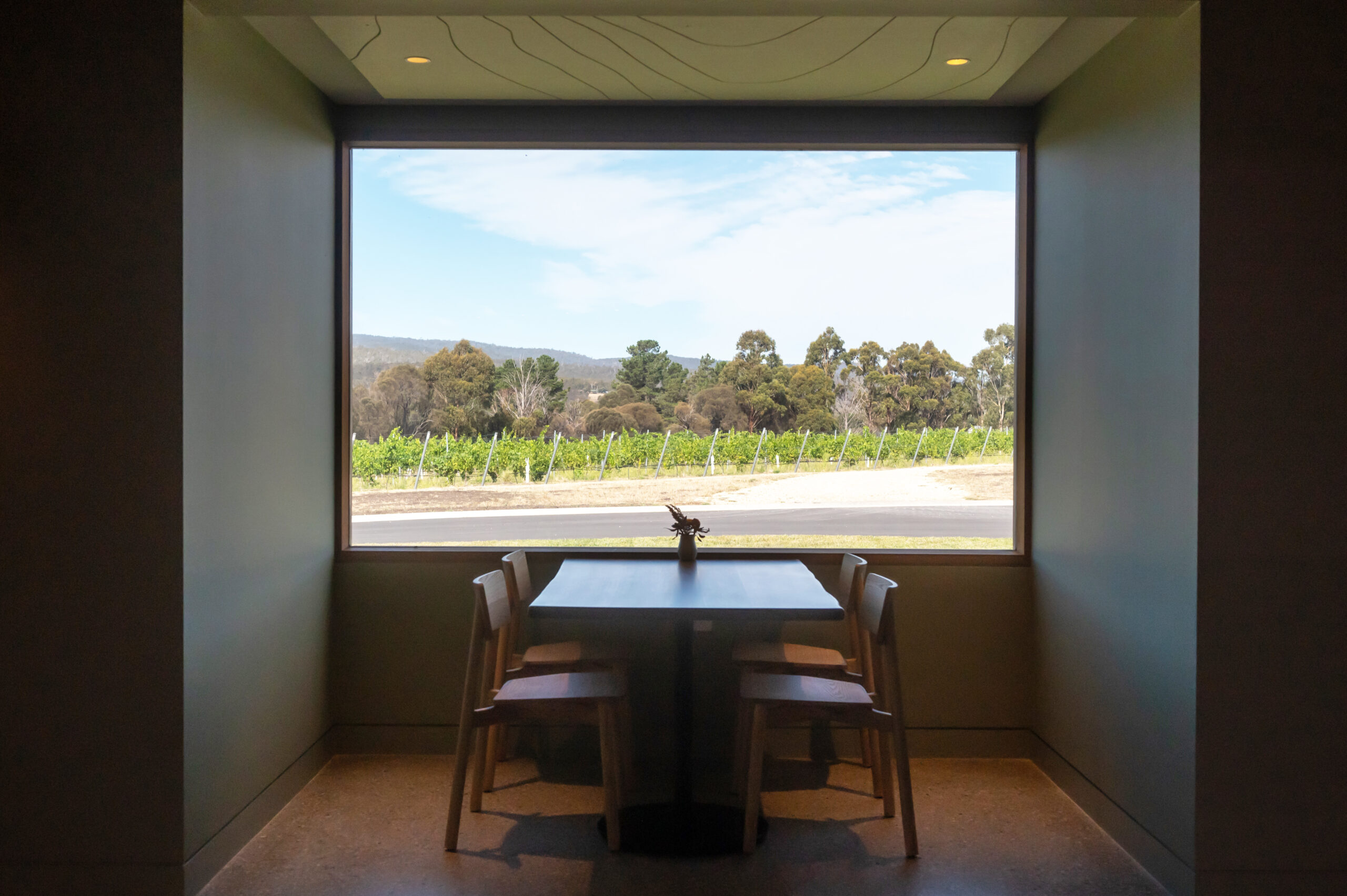
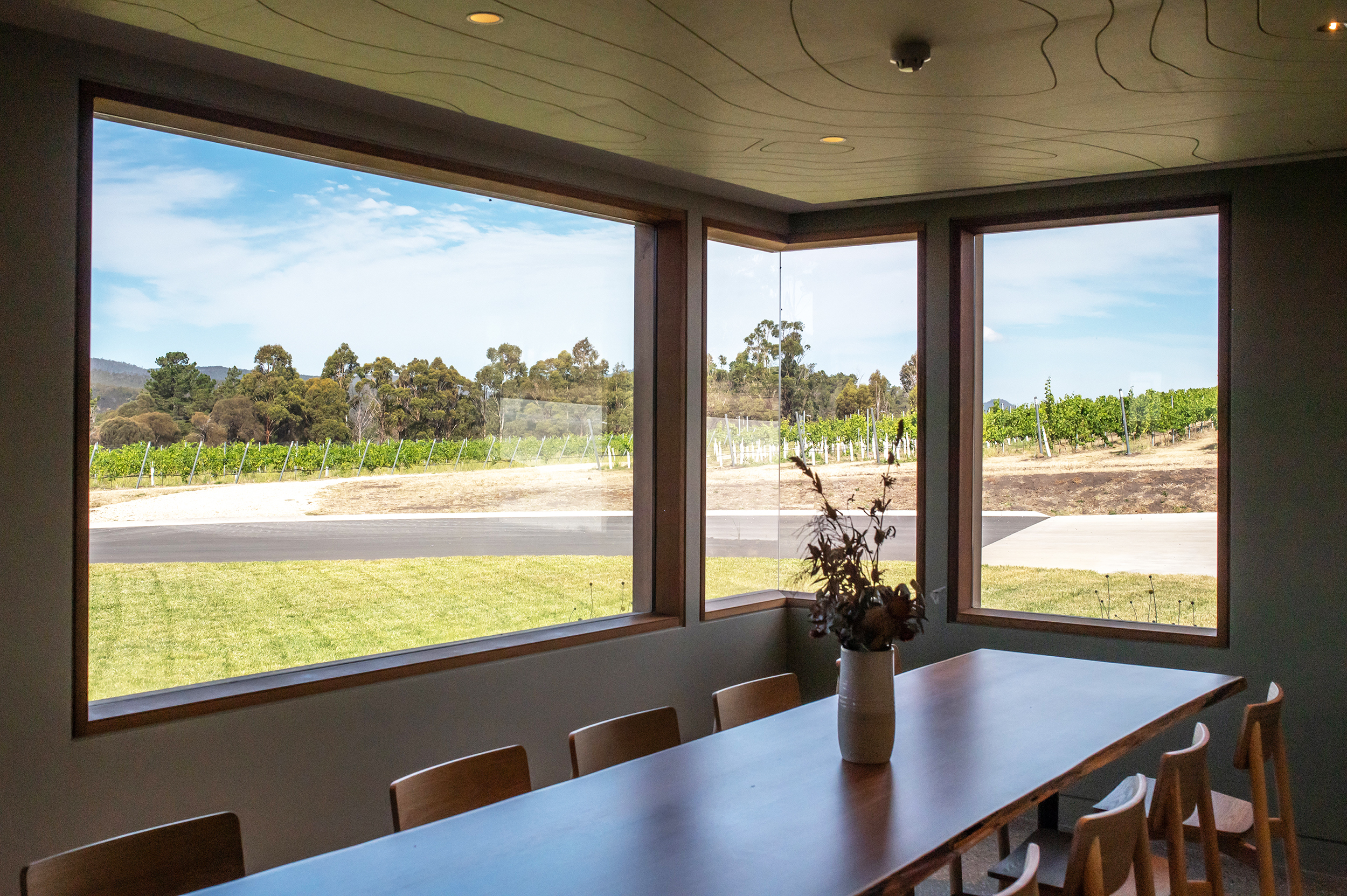
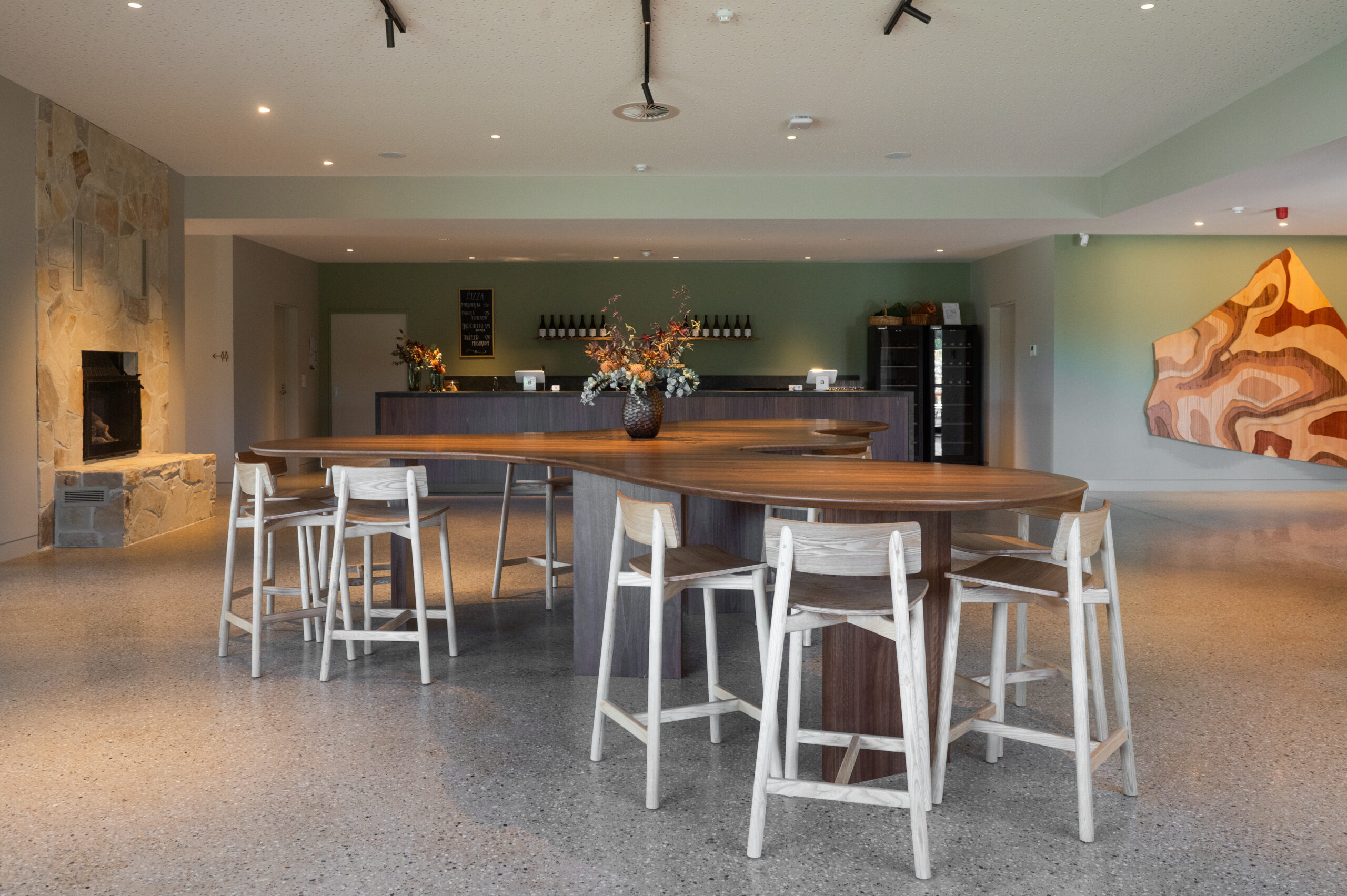
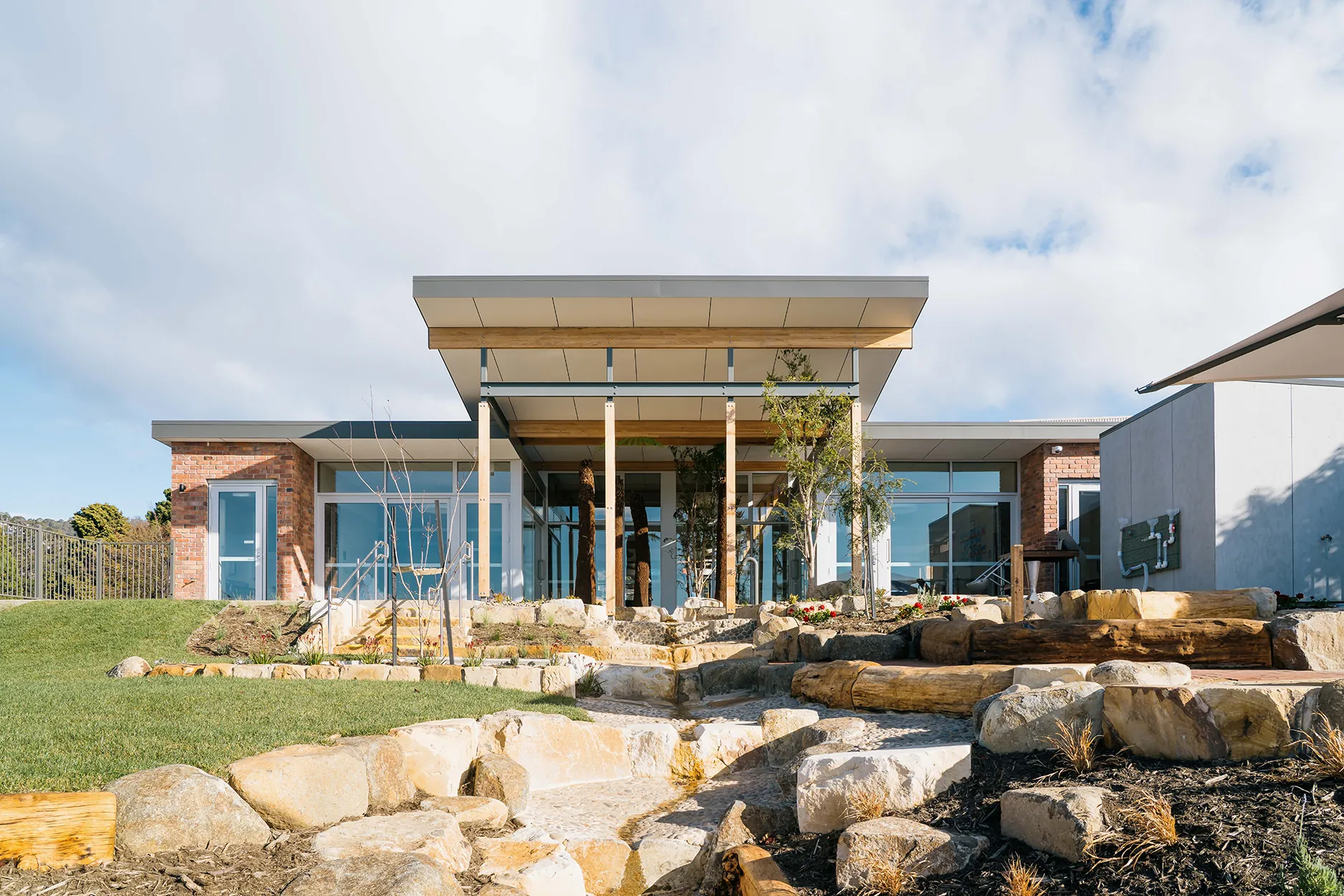
Delivered as a construct-only contract, Fairbrother constructed a 2,200m² production building featuring structural steel portal frames, PIR-insulated panels, polyurethane flooring with integrated grated drainage, climate-controlled barrel and storage zones, and all associated civil works. A 340m² tasting centre complemented the industrial facility, completed with polished concrete floors, acoustic treatments, and bespoke joinery to reflect the brand’s refined identity.
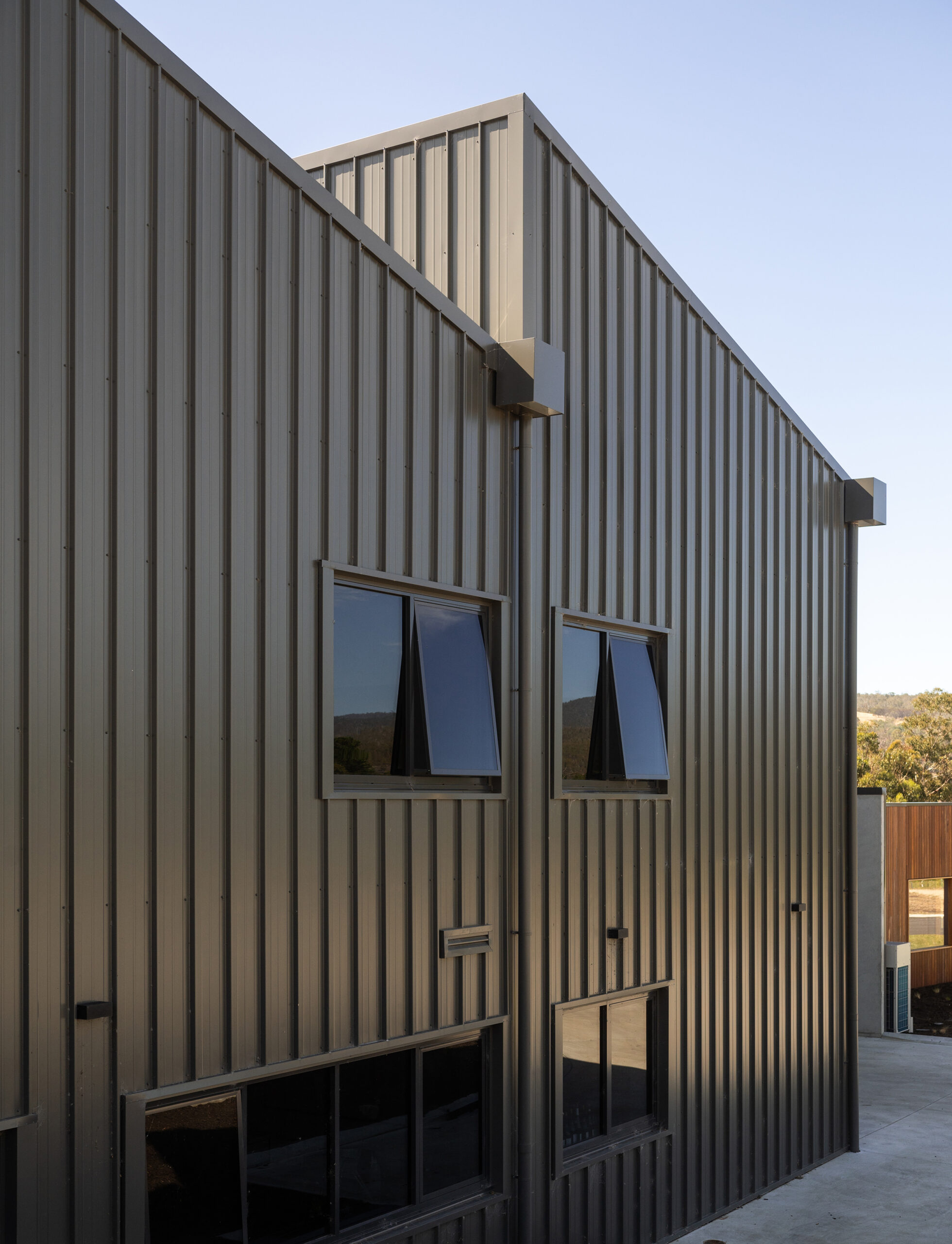
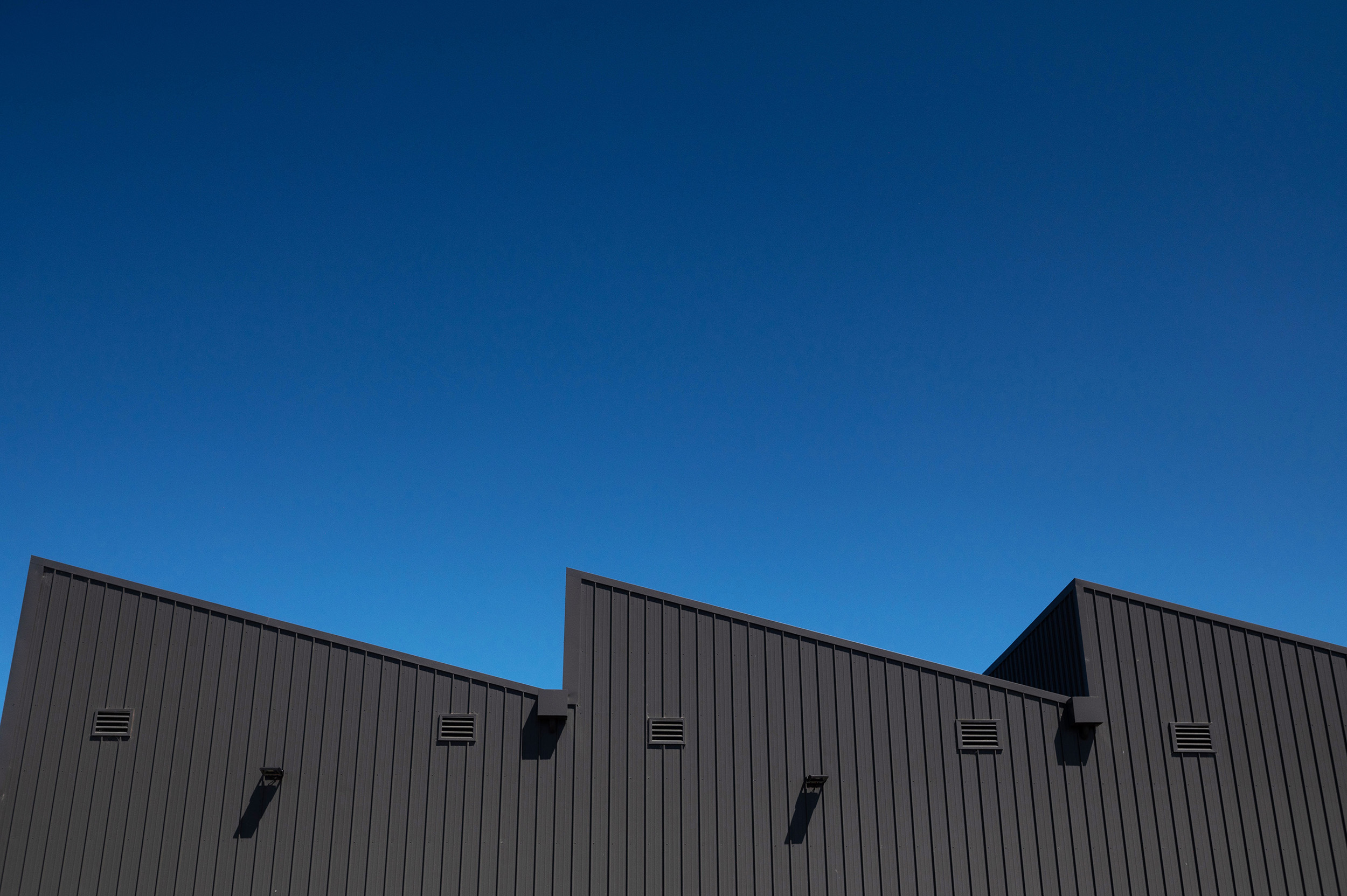
The project’s challenges centred on seamlessly integrating high-performance industrial capability with premium public spaces while managing evolving design requirements. With 80 RFIs and 147 client-driven variations—many relating to operational layouts and finish selections—Fairbrother maintained program integrity through disciplined staging, proactive coordination and close communication with consultants and subcontractors. Technical complexities included the precise installation of the saw-tooth roof with highlight glazing to achieve optimal natural light and thermal control, as well as coordinating the interface between insulated panels, specialised flooring, drainage and climate-controlled rooms. Despite the evolving scope and high tolerance requirements, the project reached Practical Completion on schedule.
Fairbrother contributed significant value through our collaborative, solutions-focused approach. Our team worked closely with the architect and client to resolve construction constraints arising from design evolution, ensuring technical and architectural intent were maintained. Innovative construction systems—such as PIR-insulated panels for thermal performance, highly durable polyurethane flooring, and integrated hygienic drainage—enhanced operational efficiency and long-term performance. Environmental initiatives, including rooftop solar and dual rainwater tanks, were integrated without impacting program, supporting both sustainability goals and reduced operational costs.